Turkey has firmly established itself as a prominent global healthcare destination, particularly for individuals seeking cosmetic enhancements. Its robust growth in medical tourism over the last decade has positioned it as a compelling option for international patients, especially those from Europe and the UK, who are exploring cross-border healthcare solutions. While the allure of shorter waiting times and potentially more accessible pricing is undeniable, a thorough understanding of the regulatory landscape, patient care protocols, and post-operative considerations is paramount for anyone considering this patient travel pathway. As industry experts, we delve into the strategic factors that define Turkey’s appeal and the critical elements that ensure a safe and effective experience for international patients.
Why Turkey Appeals to International Patients for Aesthetic Procedures
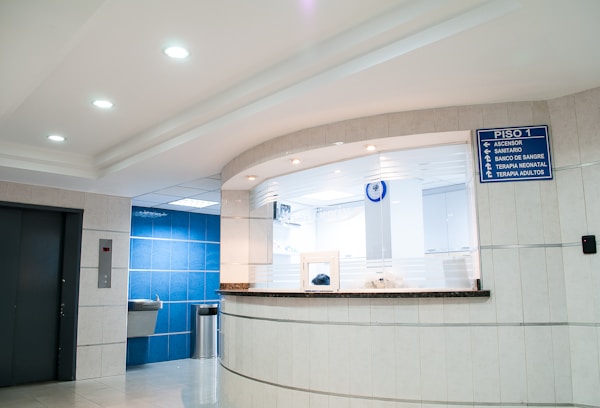
Turkey’s ascent as a key player in health tourism is not accidental; it is the result of strategic investment in its healthcare infrastructure. Major cities such as Istanbul, Ankara, and Izmir now boast state-of-the-art private hospitals, specifically designed to cater to the unique needs of international patients. This commitment to developing a world-class healthcare destination has resonated strongly with those seeking procedures like rhinoplasty, breast augmentation, and various body contouring treatments.
From a strategic management perspective, several factors contribute to this significant interest from patients in the UK and beyond:
- Economic Advantages: The most apparent draw is often the cost differential. Cosmetic procedures in Turkey can be significantly more affordable than comparable private treatments in the UK. This pricing advantage stems from a confluence of factors within Turkey’s healthcare economics, including lower operational costs, competitive staffing expenses, and distinct hospital fee structures. This presents a strong value proposition for many international patients.
- Streamlined Treatment Timelines: Unlike the often protracted process of private cosmetic surgery in the UK, which typically involves multiple consultations and scheduling phases, Turkish clinics catering to international clientele have optimized their pathways. They frequently consolidate initial consultations, the surgical procedure, and early recovery checks into a single, shorter visit, enhancing convenience for patient travel.
- Predictable Planning: For many individuals, the ability to plan and execute their treatment within a defined travel window offers considerable logistical ease. This integrated approach, a hallmark of effective international patient care, simplifies the patient journey and minimizes disruption to their lives back home.
The Regulatory Framework for Plastic Surgery in Turkey
Ensuring the quality of care in any healthcare destination is fundamentally tied to its regulatory environment. In Turkey, the Turkish Ministry of Health exercises comprehensive oversight over all private hospitals and medical facilities, enforcing national standards that govern critical aspects of surgical practice. These standards encompass stringent requirements for operating theatre hygiene, the provision of safe anaesthesia services, robust infection control protocols, and appropriate staffing levels across medical teams.
Surgeons undertaking aesthetic or reconstructive procedures in Turkey undergo rigorous training. They complete medical school, followed by specialist training in plastic surgery. Many also enhance their expertise through additional fellowships or international professional experience, contributing to a high standard of clinical proficiency.
While Turkey’s regulatory structure naturally differs from the UK system, where organizations like the General Medical Council (GMC) oversee surgeons and the Care Quality Commission (CQC) regulates facilities, both frameworks share the overarching objective of ensuring that medical procedures are conducted by highly qualified professionals within suitable and safe clinical settings. From an editorial standpoint, it is crucial for UK patients embarking on cross-border healthcare to proactively verify these details. Confirming the specific hospital where the procedure will occur, identifying the named surgeon, and understanding their experience with the intended procedure are indispensable steps in patient due diligence.
Navigating the Risks of International Patient Travel for Surgery
While the surgical procedure itself in a leading healthcare destination like Turkey may be clinically analogous to what is offered in the UK, the act of patient travel introduces a distinct set of practical considerations that demand meticulous planning. The geographical distance inherently impacts the management of the post-operative recovery phase and subsequent follow-up care.
Most clinics specializing in international patient care meticulously schedule early post-operative checks during the initial days following surgery, prior to the patient’s return home. However, it is an undeniable reality that a significant portion of the recovery journey will unfold once the patient is back in the UK.
Furthermore, traveling by air relatively soon after surgery can exacerbate common post-operative symptoms such as swelling and discomfort. For more extensive procedures, such as tummy tucks or Brazilian butt lifts, prolonged flights elevate the risk of serious complications like deep vein thrombosis (blood clots). Expert surgeons typically provide tailored recommendations to mitigate these risks, which might include advice on regular movement during flights or the prescription of preventative medication, depending on the individual patient’s case. As a matter of editorial opinion, patients contemplating cosmetic surgery abroad absolutely must ensure they possess a crystal-clear understanding of how their aftercare will be comprehensively managed upon their return home. This foresight is critical for a smooth and safe recovery.
Key Determinants of Safety in Turkish Plastic Surgery
The fundamental safety of a cosmetic surgical procedure is not primarily dictated by the country where it is performed, but rather by the inherent quality of the clinical environment and the proficiency of the surgical team. When evaluating a potential healthcare destination, particularly for procedures involving international patients, several critical factors must be scrutinized to ensure optimal quality of care:
- Surgeon’s Expertise: The surgeon’s specific training, qualifications, and extensive experience with the exact procedure being considered are paramount.
- Facility Standards: The overall standard of the operating theatre and the broader hospital facilities, including modern equipment and infrastructure, directly impacts safety.
- Anesthesia and Nursing Teams: The presence of highly qualified and experienced anaesthesia and nursing teams is crucial for patient monitoring and support throughout the surgical process.
- Infection Control: Robust and rigorously enforced infection-control protocols within the hospital environment are non-negotiable for preventing post-operative complications.
- Patient Screening: Comprehensive and appropriate pre-operative patient screening ensures that candidates are medically suitable for the planned procedure, minimizing risks.
- Structured Aftercare: A well-defined system for monitoring and aftercare following the procedure, both immediately post-op and during the subsequent recovery period, is essential.
Patients are strongly encouraged to ask detailed, probing questions about each of these critical aspects before committing to any decision regarding their cross-border healthcare journey.
Cost Analysis: Plastic Surgery in Turkey vs. the UK
The allure of potentially lower costs frequently serves as a primary motivator for patients exploring plastic surgery abroad as part of their health tourism considerations. Procedures offered in Turkey can indeed be priced more affordably than those in private UK hospitals, primarily due to the significant differences in operating costs and the underlying healthcare economic structures between the two nations.
However, a direct price comparison across countries can be deceptively complex without a granular understanding of what precisely is encompassed within any quoted figure. In the UK, surgical costs are often meticulously itemized, separately detailing surgeon fees, hospital charges, anaesthesia costs, and post-operative aftercare. Conversely, some clinics in Turkey, particularly those focused on international patient care, strategically present these elements as part of a single, comprehensive package.
From an analytical perspective, this packaging can create an impression of greater value, but it necessitates careful scrutiny. Therefore, patients are advised to confirm precisely what is included in any quotation. This should explicitly cover hospital stays, post-operative garments, prescribed medication, and the structure of follow-up checks. Understanding these intricate details is indispensable for avoiding confusion and making a truly informed comparison of treatment options within the global healthcare landscape.
Comparative Pathways: Turkish vs. UK Private Cosmetic Surgery
There are distinct practical differences in the patient pathways for cosmetic surgery between Turkey, a leading medical tourism destination, and the UK. These variations impact patient experience and logistics:
- Consultation and Cooling-Off Periods (UK): In the UK, patients typically undergo multiple consultations and are often advised to observe a “cooling-off” period before scheduling surgery. This allows ample time for reflection and decision-making. Follow-up appointments are generally more accessible in person due to the local proximity of the clinic.
- Condensed Timelines (Turkey): For international patients traveling to Turkey, the treatment timeline is frequently more condensed. The initial consultation, the surgical procedure itself, and early recovery checks are often integrated into a single trip, which may span several days.
- Remote Aftercare (Turkey): After returning home, follow-up care for international patients is commonly managed remotely. This often involves video consultations or ongoing digital communication channels with the Turkish clinic, an integral component of modern international patient care.
Neither approach is inherently superior or inferior. The paramount consideration for patients engaging in cross-border healthcare is their comfort level with the travel logistics, the meticulous planning required for recovery, and the communication arrangements that will be in place throughout their journey.
Effective Assessment of Plastic Surgery Clinics in Turkey
When researching treatment abroad, prospective international patients will invariably encounter marketing language describing facilities as “modern” or “state-of-the-art.” To genuinely evaluate these assertions within the context of health tourism, it is advisable to look beyond generic promotional phrases and concentrate on gathering concrete, practical information.
Patients should actively seek detailed information concerning:
- The specific hospital where the surgery will be performed, including its accreditations and infrastructure.
- The comprehensive qualifications and experience of both the surgical team and the anaesthesia providers.
- The methodology employed for pre-operative assessment, ensuring thorough patient screening.
- The protocols for immediate post-operative monitoring and care.
- The structured management of follow-up care once the patient has returned to their home country.
Reputable clinics that prioritize international patient care often make this information readily available as part of their transparent patient guidance materials. For instance, well-known clinics such as Cosmedica Aesthetic in Istanbul proactively publish detailed information regarding their hospital settings, the credentials of their surgical teams, and the precise care pathways utilized for international patients. These comprehensive descriptions are indicative of best practices among clinics regularly serving visitors who travel for cosmetic treatment, reflecting a commitment to quality of care and patient safety.
Bottom Line: Navigating Safety in Turkish Medical Tourism
The question of whether plastic surgery in Turkey is definitively “safe” does not lend itself to a simplistic affirmative or negative response. As is the case with cosmetic surgery anywhere in the world, the safety and success of a procedure fundamentally hinge upon a confluence of critical factors: the surgeon’s demonstrable experience, the integrity of the hospital environment, and the robustness of the post-operative aftercare system.
Engaging in cross-border healthcare inherently introduces additional logistical and recovery considerations, particularly concerning the management of care once international patients return home. However, it is equally important to acknowledge that many Turkish clinics have proactively developed sophisticated systems specifically designed to support international patients through every stage of their journey—from initial consultation to surgery and through extended post-operative communication.
For UK patients contemplating cosmetic surgery in this prominent healthcare destination, diligent research, coupled with clear and consistent communication with the chosen clinic, is absolutely indispensable. By thoroughly understanding the entire process in advance, including the nuanced aspects of patient travel and international patient care, individuals can make a far more informed decision about whether traveling for treatment aligns with their personal expectations, circumstances, and overall comfort level within the dynamic landscape of global healthcare and wellness tourism.
The news signal for this article was referred from: https://news.google.com/rss/articles/CBMinwFBVV95cUxQajFqVXFvUTNkNVdpSElSVlp4dERET1RyOTJXV2NWWmZ1RW9zaUtHWUN5ZWxEdFlnRVhESkVPRDlhX0hrOHpIV0tZNWxHWkFZM3NOdlZrUW5kUnI1VTlSdWxEVjhPdzFMY2pDQUhWT21yUnB3NEU4Q0ZpWTZCMnZpSjlRQ3hfQmZQZzBqYS04YlhBa214SzVvajJhUjE1Y00?oc=2